
The Hilton Head Second-Home Problem: What Happens to Your Property When You're Away?
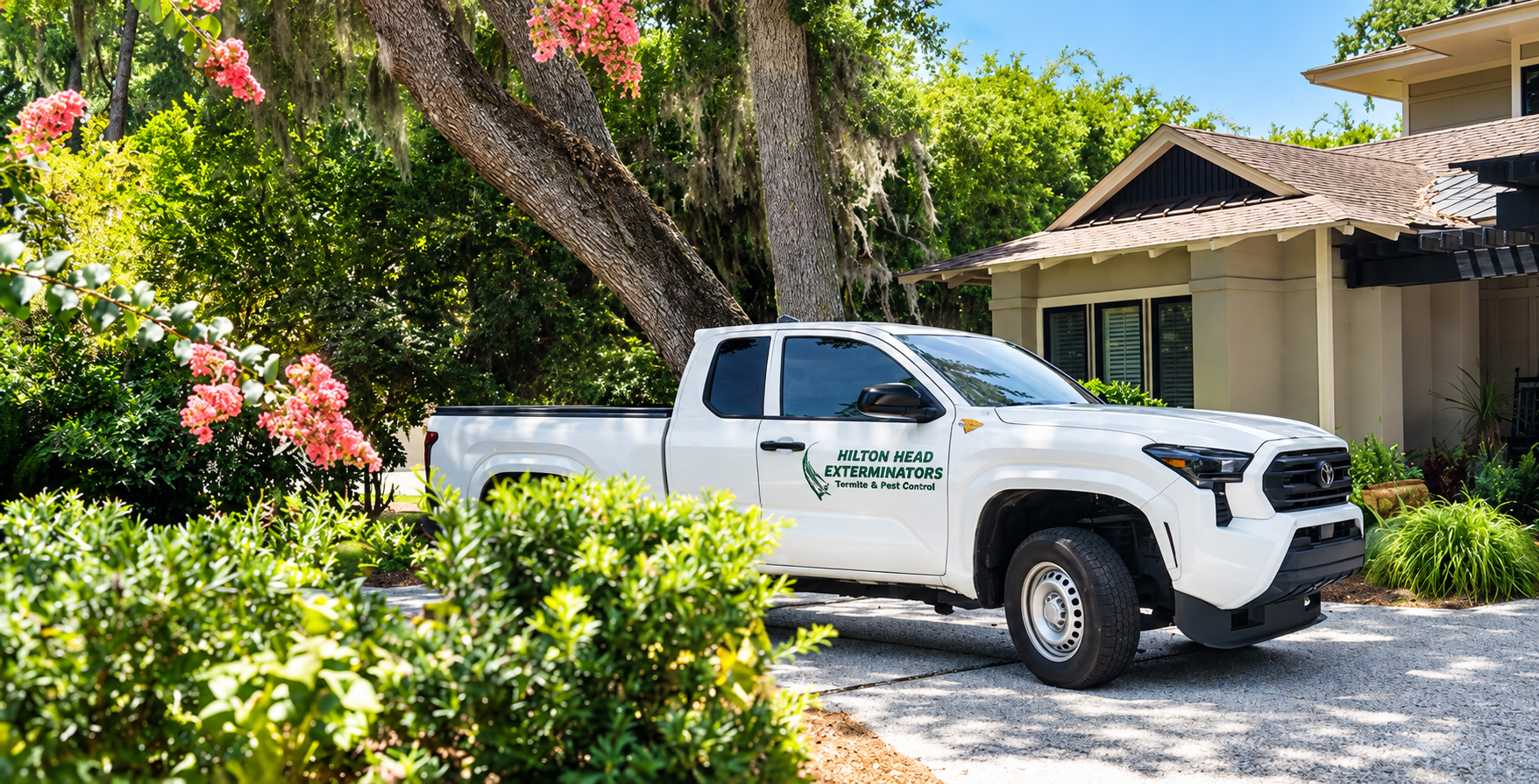
Owning a second home on Hilton Head Island can be a great way to enjoy the Lowcountry without living here year-round. But when a property sits empty for weeks or months, small problems can develop without anyone around to notice them. A dripping pipe, damaged screen, standing water, or small gap around a door may seem minor at first, but these conditions can create opportunities for pests to enter and stay hidden.
For second-home owners, pest prevention is especially important because pest activity can continue even when the property is unoccupied. Cockroaches, ants, rodents, spiders, and other pests may find food, moisture, shelter, or entry points around the home while you are away.
At Hilton Head Exterminators, we help homeowners across Hilton Head Island, Bluffton, Daufuskie Island, Okatie, and nearby Lowcountry communities protect their properties with pest control services designed around local conditions. Regular service and preventative inspections can help identify pest activity before it becomes a problem waiting for you when you return.
Why Vacant Second Homes Can Develop Pest Problems
A home does not need to be occupied for pests to find it attractive. Pests are constantly looking for food, water, shelter, and ways to get inside.
A second home may provide several of these conditions without the owner realizing it. Food residue left in a kitchen, moisture under a sink, a gap around a garage door, or vegetation touching the exterior can all contribute to pest activity.
The biggest difference is that no one may be there to notice the early warning signs.
A homeowner who lives in a property full-time might notice ants around the kitchen or hear something moving in the attic within a few days. A second-home owner may not discover the same problem until the next visit.
Coastal conditions can add another challenge. Hilton Head and the surrounding Lowcountry experience warm temperatures, humidity, rain, and dense vegetation that can provide favorable conditions for many pests.
Which Pests Can Become a Problem While You're Away?
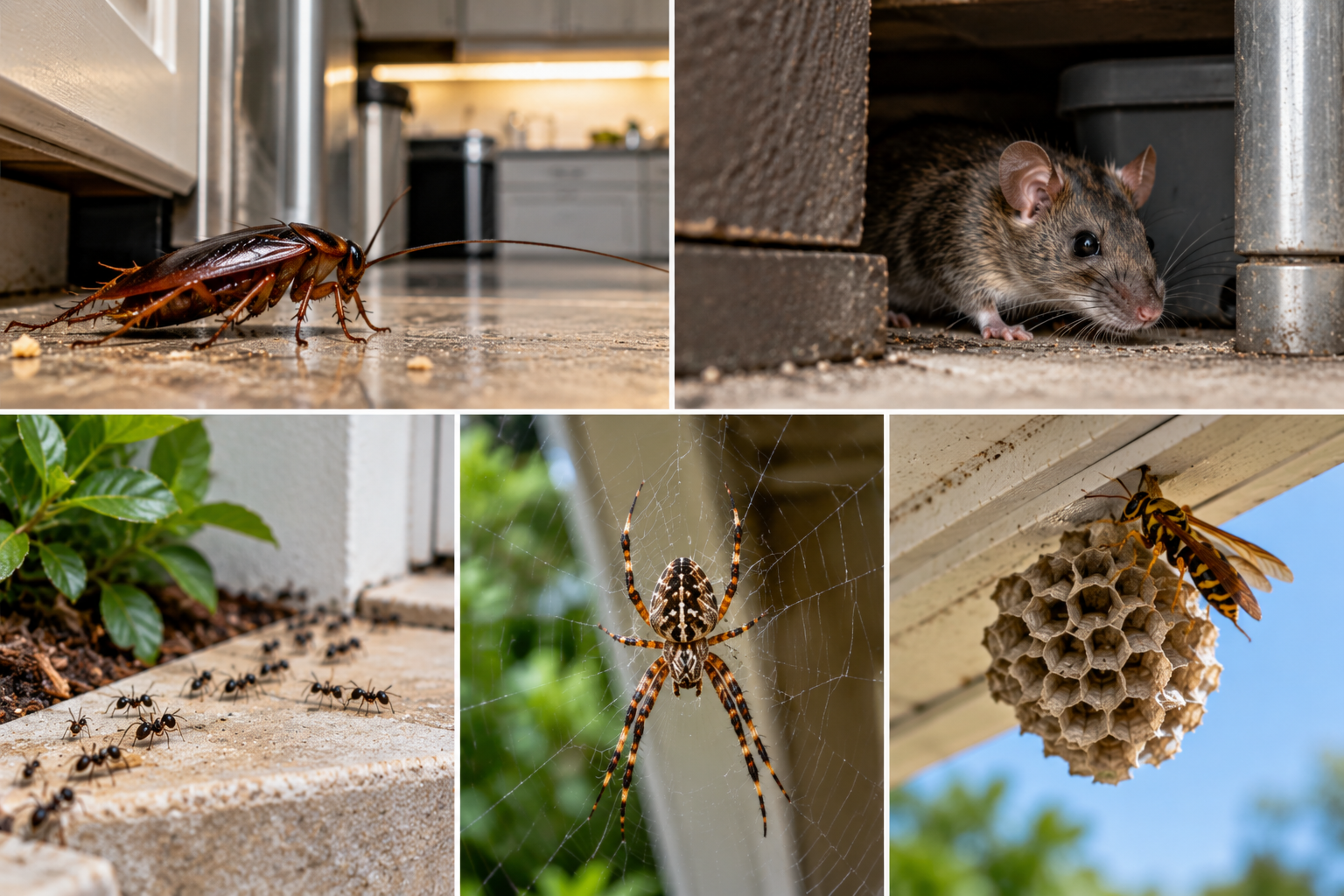
A vacant property can attract several different types of pests depending on its location, landscaping, construction, and maintenance conditions.
Some common concerns include:
Cockroaches: Cockroaches may enter through small gaps around doors, plumbing, garages, windows, and other openings. Kitchens, bathrooms, and areas with moisture can provide food and shelter. Homeowners dealing with recurring activity can learn more about our roach control services.
Rodents: Mice and rats can enter through small openings around garages, roofs, vents, utility lines, and other parts of the structure. Droppings, gnaw marks, nesting materials, and unusual odors can be warning signs. Learn more about our rodent control services.
Ants: Ants may enter in search of food or water and can become noticeable around kitchens, bathrooms, windows, patios, and exterior walls. Our ant control services can help address recurring ant activity.
Spiders: Spiders may build webs around porches, windows, garages, and exterior lighting, especially when other insects are active nearby. If spider activity continues to increase, our spider control services can help address the problem.
Wasps and other stinging pests: Outdoor areas such as eaves, decks, railings, and sheds can provide locations for nests. This can become a concern when homeowners return and begin using these spaces again. For general insect concerns, our insect control services cover a wide range of crawling and flying insects.
Not every pest sighting means there is a serious infestation. However, repeated activity usually means there is a condition worth investigating.
What Should I Check Before Leaving My Hilton Head Home?
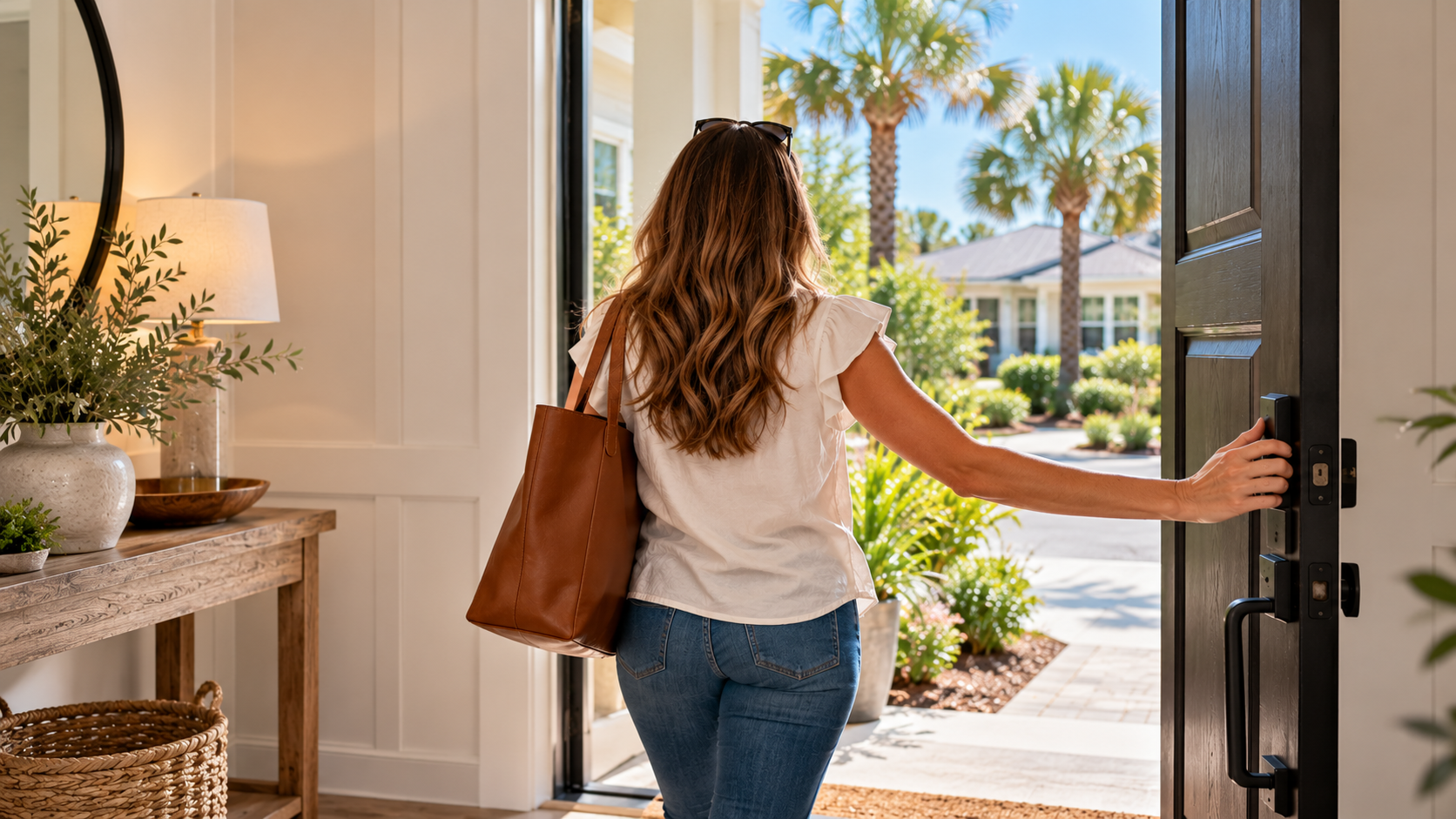
A few simple steps before leaving can help reduce the conditions that attract pests. Before locking up your second home, walk through both the interior and exterior of the property.
Remove Food and Trash
Clean countertops, sweep floors, empty trash, and avoid leaving food or pet food exposed. Store pantry items in sealed containers whenever possible.
Even small crumbs or food residue can provide an attractant while a property is unoccupied.
Check for Leaks and Moisture
Look underneath sinks, around toilets, near appliances, and around HVAC equipment for signs of leaks or condensation. Outside, check gutters, downspouts, outdoor faucets, planters, and other areas where water may collect.
Inspect Doors, Windows, and Screens
Check door sweeps, weather stripping, window screens, garage doors, and other possible entry points. A small gap may be enough for insects or rodents to enter.
Keep Landscaping Away From the Home
Trim branches and vegetation that touch the house. Clear leaves and other organic debris from the foundation and avoid allowing landscaping materials to remain directly against exterior walls. Dense vegetation can provide shelter and an easy path toward the structure.
Don't Forget the Garage and Storage Areas
Garages, attics, crawl spaces, closets, and storage rooms can become quiet hiding areas for pests. Keep these spaces organized and check for droppings, webs, damaged materials, or other signs of activity.
These steps can reduce pest pressure, but they cannot eliminate every potential entry point. That's where regular professional second-home pest control can provide an additional layer of protection.
Why Regular Pest Prevention Matters When You're Away
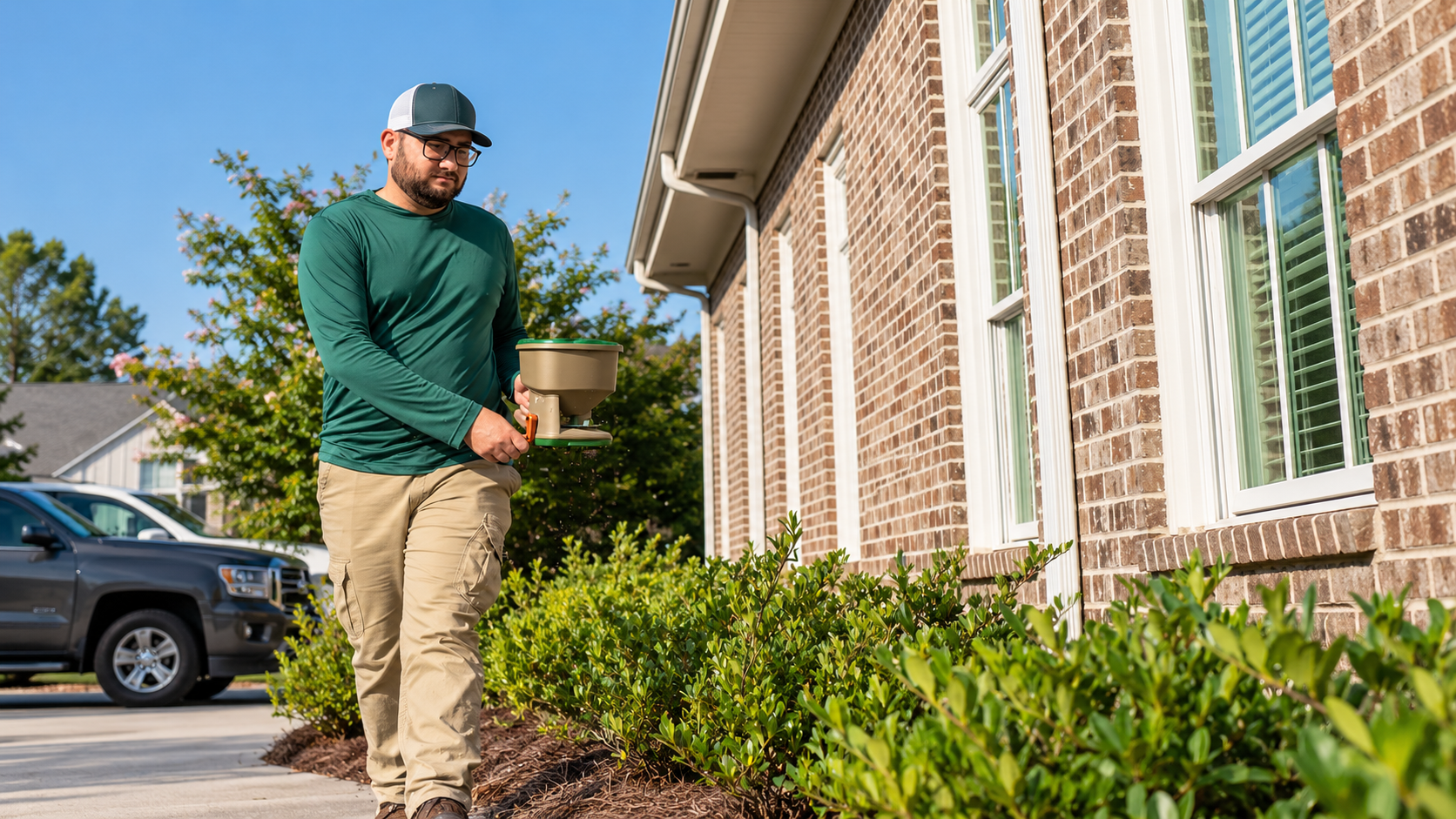
The biggest challenge with a second home is simple: You aren't there to see what is happening.
A small pest problem can continue developing for weeks before the owner returns. By that time, the original cause may be harder to identify and the activity may have spread to additional areas of the property.
Regular vacation home pest prevention can help homeowners stay ahead of these problems. Professional service can help identify pest activity, potential entry points, moisture concerns, and other conditions that may make the property more vulnerable.
This can be especially valuable for homeowners who live outside the area or only visit Hilton Head during certain times of the year.
A preventative service plan can also provide another set of eyes on the property. Instead of waiting until the next vacation to find out whether pests have become a problem, regular service gives homeowners an opportunity to address concerns earlier.
For homeowners dealing with recurring activity, our residential pest control services can help address common pest concerns around the home.
What Should I Look for When I Return to My Second Home?
After being away for an extended period, take a few minutes to inspect the property before unpacking and settling in.
Look for:
Droppings or unusual odors
Live or dead insects
Ant trails
New spider webs
Gnaw marks
Damaged screens or door seals
Signs of nesting
Moisture or water damage
Pest activity around kitchens, garages, and storage areas
Pay attention to areas that are normally quiet or rarely used. Garages, attics, crawl spaces, closets, and utility areas can show signs of pest activity before you notice anything in the main living areas.
If you repeatedly find pests in the same location, don't simply remove what you can see and assume the problem is gone. There may be an entry point or hidden source contributing to the activity.
When Should I Schedule Pest Control for My Second Home?
You don't have to wait until you see pests to schedule service.
Preventative pest control for vacant homes can be useful for properties that remain unoccupied for extended periods, particularly homes with a history of pest activity, moisture concerns, extensive landscaping, or multiple exterior entry points.
It can also be helpful to have a plan in place before leaving the property for several weeks or months.
The right service frequency depends on the property, pest pressure, location, and how often the home is occupied. A professional can help determine an appropriate schedule based on those conditions.
For homeowners in Hilton Head Island and Bluffton, maintaining regular pest prevention can help reduce the chance of returning to an unexpected pest problem.Frequently Asked Questions About Second-Home Pest Control
Can pests get into my home even when the doors and windows are closed?
Yes. Pests can enter through small gaps around doors, utility lines, vents, garages, roofs, screens, and other openings. Regular inspections can help identify potential entry points.
Should I have pest control if my Hilton Head home is vacant?
A vacant home can still experience pest activity. Preventative service can help identify and address problems while the property is unoccupied, rather than waiting until the next visit.
How often should a second home be inspected?
There is no single schedule for every property. Service frequency depends on the home's location, pest pressure, landscaping, construction, and how often it is occupied.
What should I do if I find pests when I return?
Start by looking for signs of moisture, food sources, entry points, or hidden activity. If you continue seeing pests or find evidence of an infestation, consider scheduling a professional inspection.
Protect Your Hilton Head Home While You're Away
Your second home should be ready for you when you return not waiting for you to discover a pest problem.
Taking preventative steps before leaving, checking for early warning signs, and maintaining regular Hilton Head pest control can help reduce pest activity while you're away.
Hilton Head Exterminators helps homeowners throughout Hilton Head Island, Bluffton, Daufuskie Island, Okatie, and surrounding Lowcountry communities with pest control solutions designed for local homes and conditions.
If you own a second home and want additional protection while you're away Contact us today to schedule service or request a quote.
