

Outdoor Flea Hot Spots Around Hilton Head Yards: How to Protect Pets and Family Before Fleas Come Inside
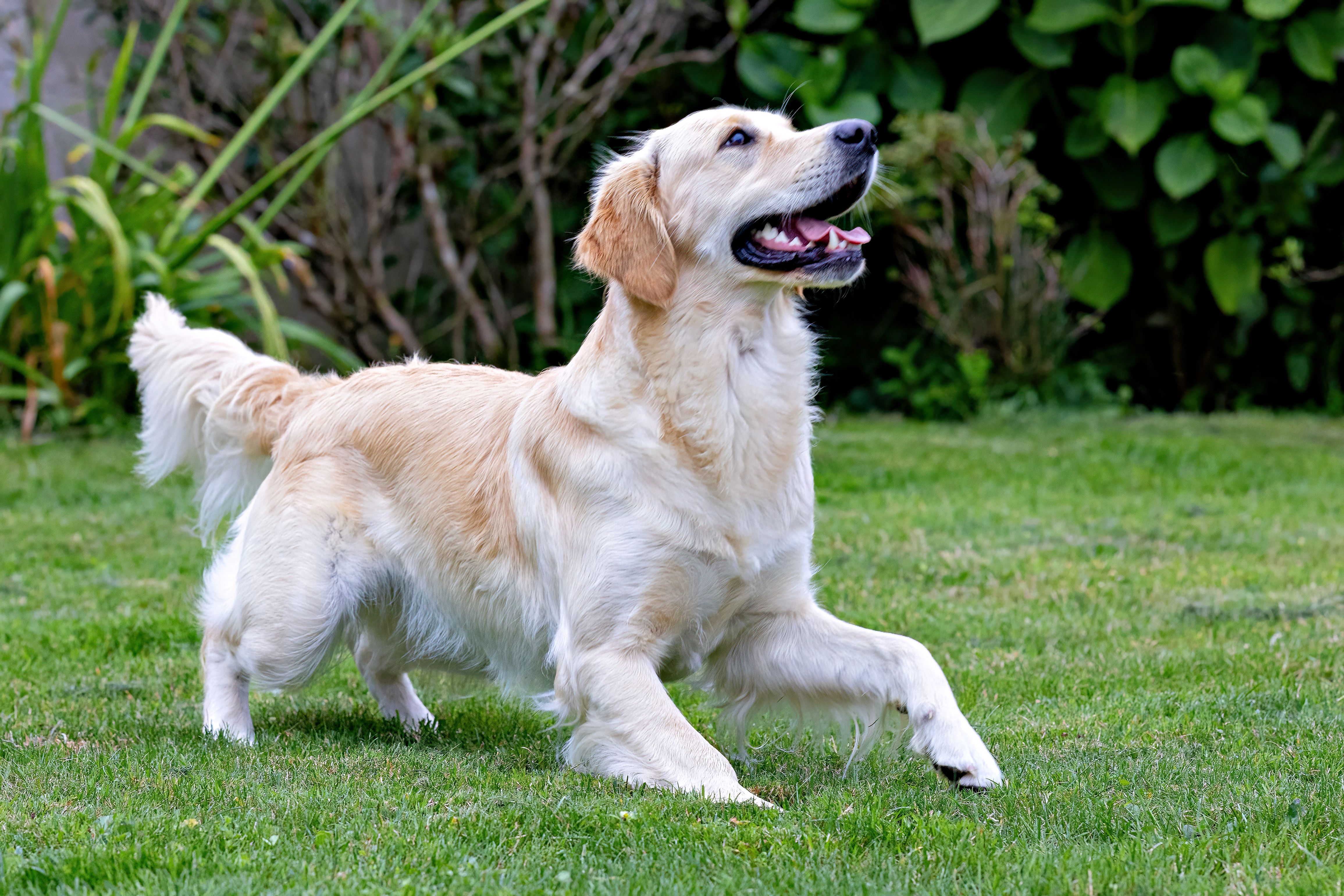
Fleas are often treated like an indoor pet problem, but many flea issues begin outside. In Hilton Head Island, Bluffton, Okatie, Daufuskie Island, Palmetto Bluff, Sun City, and surrounding Lowcountry communities, warm weather, humidity, shaded yards, and wildlife activity can all create conditions where fleas survive and spread.
That matters for families with pets, children, patios, porches, and active outdoor spaces, especially during the months when everyone wants to spend more time outside. A dog resting under a deck, a cat walking through shaded grass, or wildlife passing through the property can bring fleas closer to your home. Once fleas make their way inside, the problem can become harder to control.
At Hilton Head Exterminators, we help homeowners address flea and tick pressure with services designed for local homes, yards, and coastal conditions. The goal is not only to react after fleas appear indoors. The goal is to reduce the outdoor conditions that allow them to reach your family and pets in the first place. That practical, prevention-first approach fits the way Lowcountry homeowners actually use their yards.
Why Fleas Are a Lowcountry Yard Problem
The Lowcountry climate is part of the reason fleas can be so persistent. Warm, mild conditions allow fleas to remain active for much of the year, and shaded, protected areas can give them places to survive outdoors.
Many homeowners first notice fleas when a pet starts scratching inside. By that point, fleas may already be present in pet bedding, rugs, furniture, or cracks and crevices. That is why outdoor prevention matters. If fleas are active in the yard, pets can pick them up and carry them back inside. A clean home can still feel frustrating when the outdoor source has not been addressed.
Our blog on 5 questions and answers about fleas explains that flea concerns are not limited to homes with pets. Wildlife can also carry fleas through a property, which means the yard itself may be part of the problem.
How Fleas Get Into Your Yard
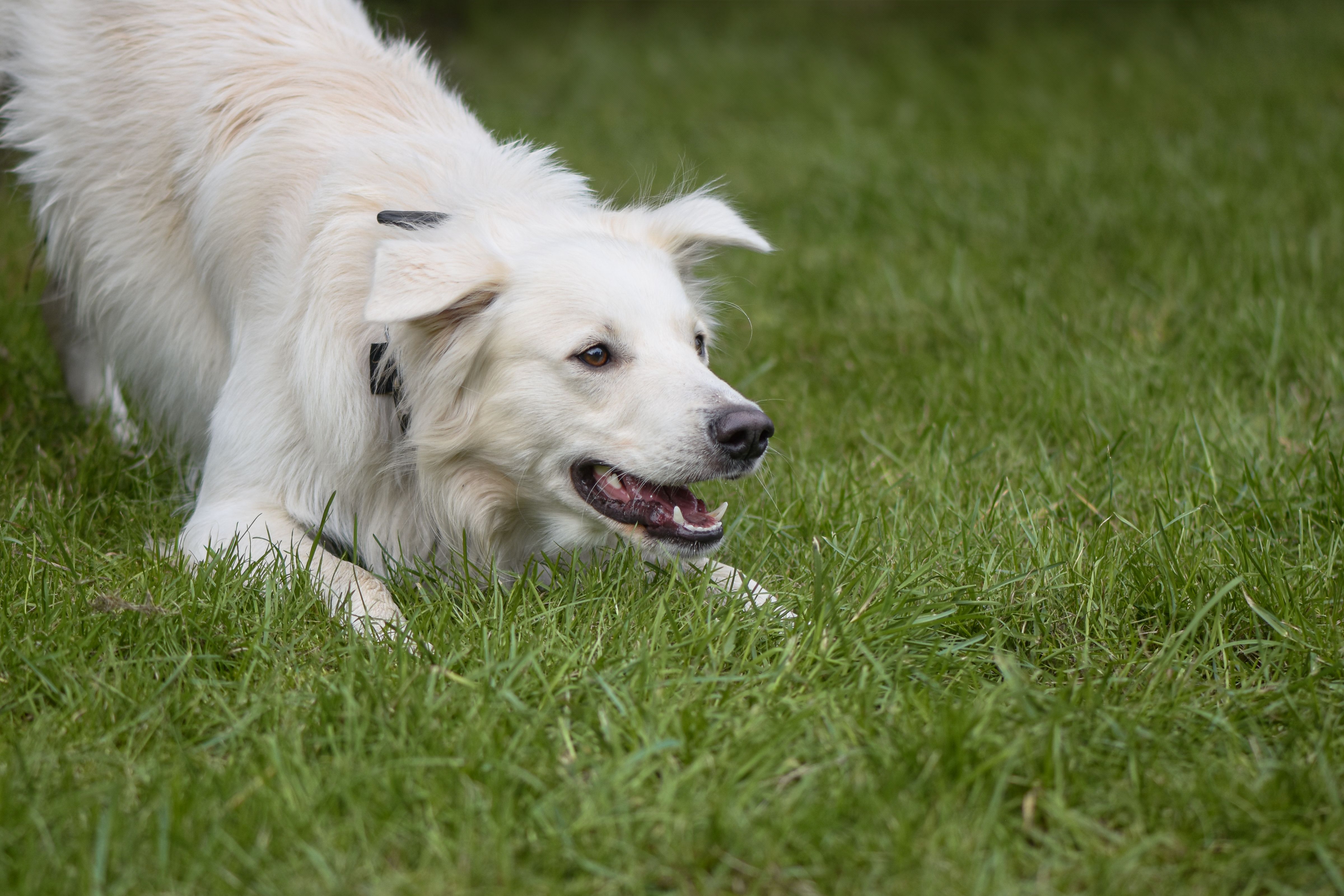
Fleas usually arrive on a host animal. Pets are one possibility, but they are not the only one. Neighborhood animals and wildlife can also move fleas into outdoor spaces.
Common sources include:
- Dogs and cats
- Stray or neighborhood animals
- Deer, squirrels, and raccoons
- Mice, rats, and other rodents
- Wildlife passing through shaded or wooded areas
Once fleas drop off in a protected area, they can wait for another host. That host may be your pet, a child playing outdoors, or an adult walking through the yard. This is why we often recommend thinking about fleas as both a pet issue and a yard issue. Treating only the pet may not solve the cycle if outdoor areas are still active, and treating only the yard may not be enough if pets are not protected through a veterinarian-approved prevention plan.
Outdoor Flea Hot Spots Around Hilton Head Homes
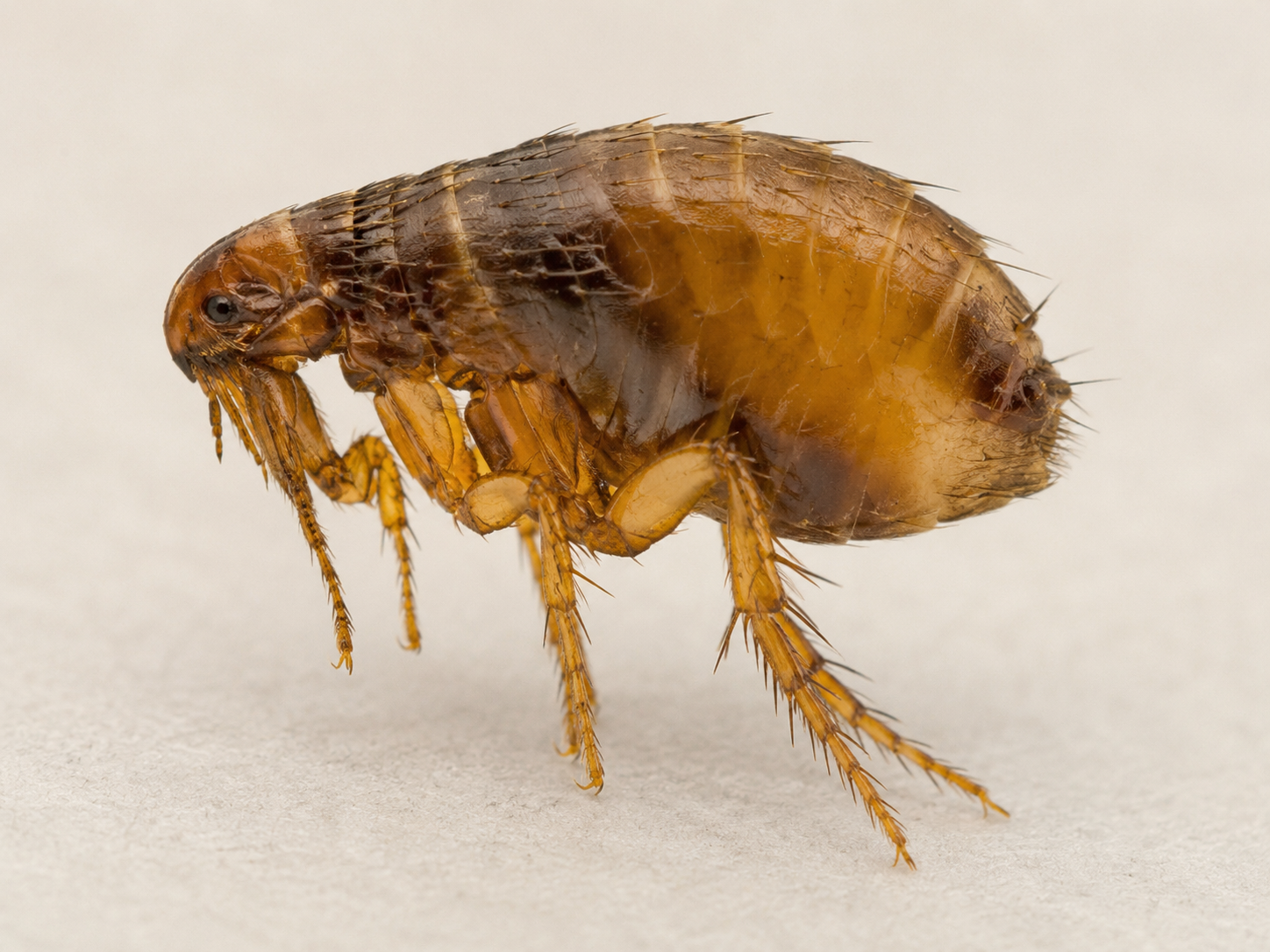
Fleas prefer areas that are shaded, protected, and used by animals. In many Hilton Head and Bluffton yards, these hot spots are easy to overlook because they are not always the places homeowners use the most.
Around the home, we would pay attention to:
- Shaded grass along fences
- Under decks and porches
- Around crawl space openings
- Pet resting areas and outdoor bedding
- Tall grass and overgrown landscaping
- Leaf litter, wood piles, and yard debris
- Sheds, garages, and quiet corners
- Areas where wildlife travels or rests
These areas can hold moisture and provide shelter from direct sunlight. If pets spend time there, fleas may have more opportunities to jump onto them. If wildlife is also moving through the yard, the pressure can continue even after indoor cleaning.
How to Protect Pets Before Fleas Come Inside

Pets are often the bridge between outdoor flea activity and indoor flea problems. A few consistent habits can help reduce that risk and make it easier to spot activity early.
Helpful steps include:
- Check pets regularly after outdoor time
- Brush and bathe pets as recommended
- Wash pet bedding often
- Keep outdoor pet resting areas clean and dry
- Limit contact with stray or wild animals
- Talk to your veterinarian about flea prevention
- Follow product labels carefully for any pet treatments
Our blog on 5 steps to protect your four-legged friends from fleas gives more pet-specific guidance, including checking pets regularly and using prevention recommended by your veterinarian. Our blog on 10 ways to protect your pets from pests also explains why grooming, yard maintenance, and regular pest control can all work together.
How to Reduce Flea Pressure Around the Yard
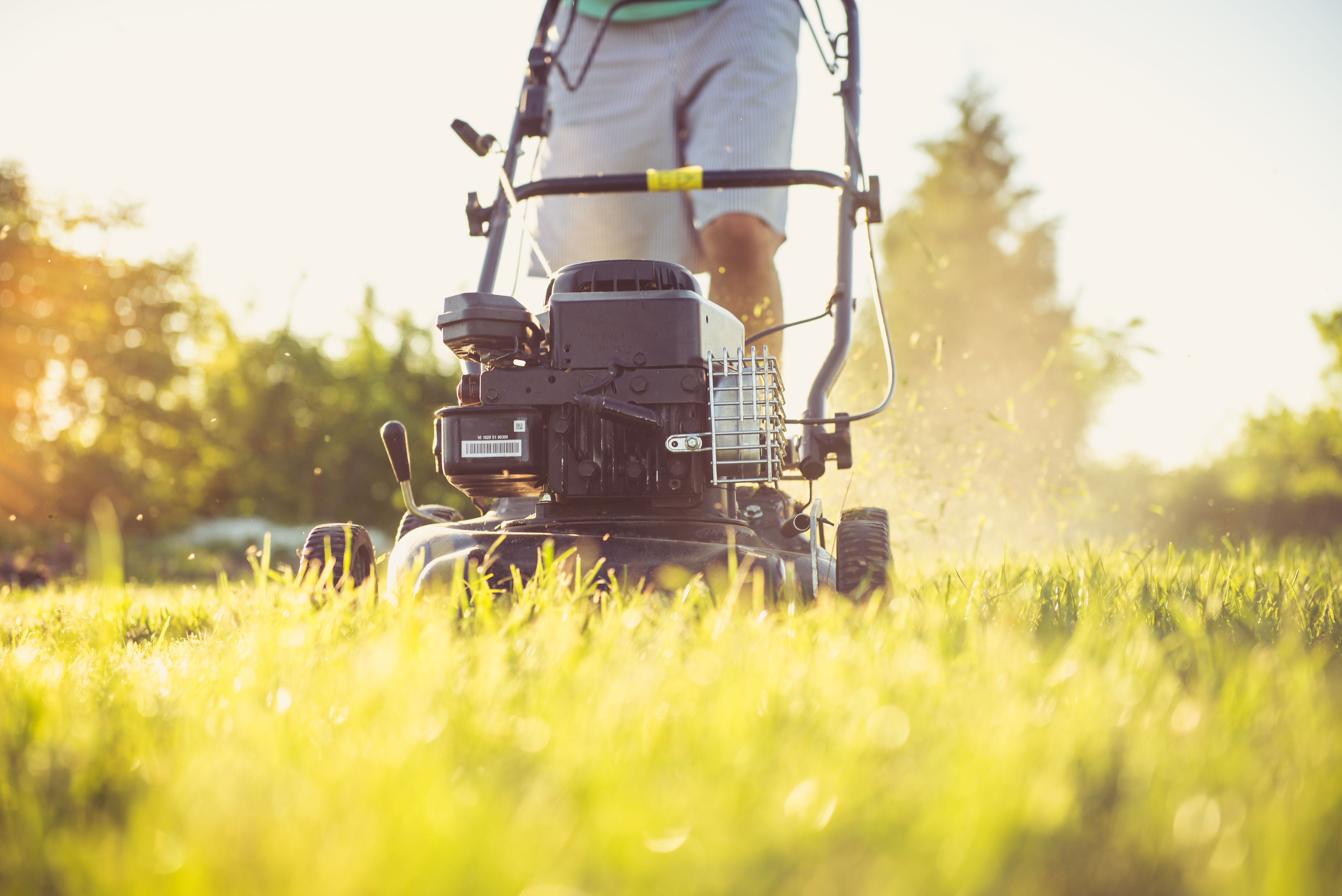 Outdoor maintenance can make your property less attractive to fleas and the animals that carry them. You do not have to make the yard perfect, but consistent upkeep helps.
Focus on these steps:
- Mow grass regularly
- Trim overgrown shrubs and ground cover
- Remove leaf litter and yard debris
- Keep trash bins closed
- Do not leave pet food outside
- Wash outdoor pet bedding
- Keep crawl space and porch areas protected
- Reduce rodent and wildlife attractants
- Vacuum indoor pet areas often
These steps support professional service, but they do not always replace it. They are best viewed as simple habits that make the yard less inviting between scheduled visits. Fleas can reproduce quickly, and activity may continue if the yard, home, and pets are not addressed together. If you are also dealing with mosquitoes, shaded and damp areas can create multiple outdoor pest concerns at once. Our mosquito control services can help with another common Lowcountry outdoor pest problem.
When Professional Flea Control Makes Sense
Professional flea control makes sense when fleas are active in more than one area, when pets keep bringing them inside, or when cleaning and pet treatments are not stopping the cycle. A stronger plan may involve the yard, the home, and pet-related prevention.
At Hilton Head Exterminators, our flea and tick control services are designed to help reduce activity and prevent reinfestation. We understand how outdoor living, pets, humidity, and wildlife can overlap in coastal South Carolina. We also understand that every property is different, so the right plan for a shaded backyard may look different from the right plan for a sunny patio or rental property.
Fleas can start outside long before they become an indoor problem. By watching outdoor hot spots, protecting pets, and addressing activity early, you can help keep your home and yard more comfortable. If fleas are showing up around your pets, patio, yard, or home, contact Hilton Head Exterminators to schedule flea and tick control for your Hilton Head or Bluffton property.
